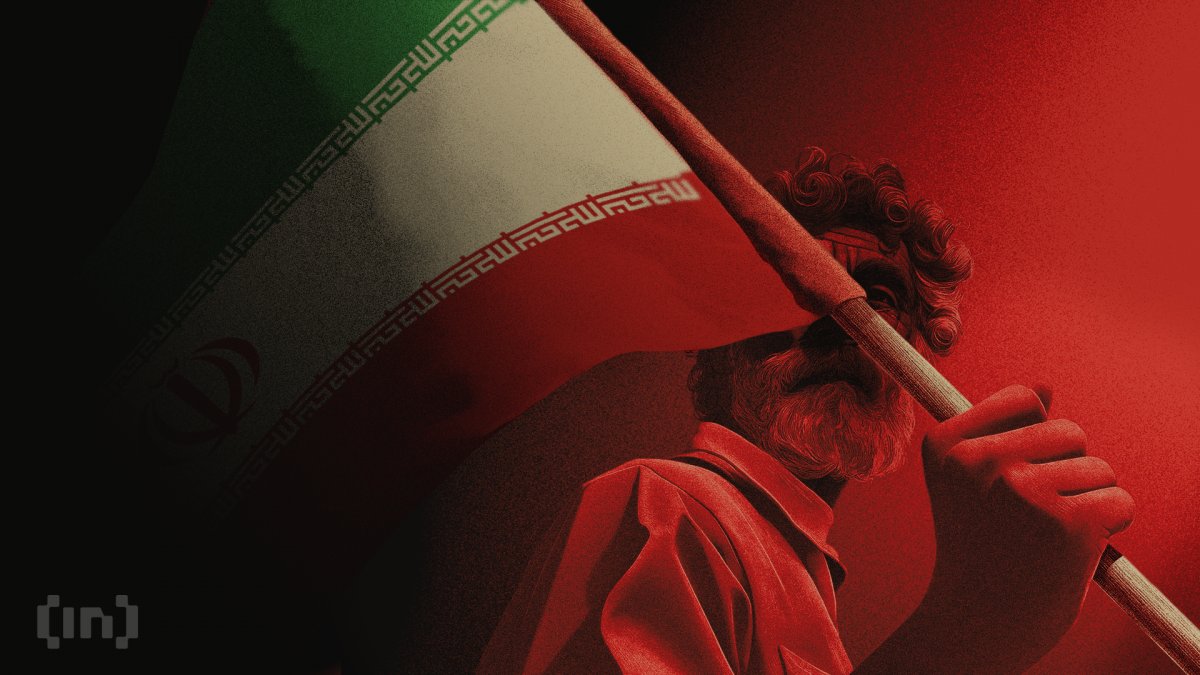
Donald Trump signed a deal with Iran that halts a nearly four-month war and reopens the Strait of Hormuz. The new document differs significantly from the nuclear pact concluded by Barack Obama in 2015.
The deal sets a 60-day cap on uranium enrichment, while discussion of the nuclear program has been moved to the next stage of negotiations. Notably, the decision sharply diverges from the Joint Comprehensive Plan of Action (JCPOA), which Trump withdrew from in 2018.
Want more exclusive news and analysis? Subscribe to our Telegram channel, discuss the news and share your thoughts on the market's further developments in the chat!
Two deals – opposite approaches
Obama's JCPOA united the United States, the United Kingdom, France, Germany, Russia, China, and the European Union. In exchange for verified limits on Iran's nuclear program, part of the sanctions on Tehran were lifted. The strategy was based on restraint. Negotiators sought clear limits for at least ten years.
Obama presented the deal as a way to buy time. Trump positions his approach as a path to deeper change.
Trump chose different tactics: he pulled the US out of the deal in 2018, introduced a maximum-pressure regime, and only came to the agreement after recent strikes on Iran.
The main difference is in the sequence: Obama began with diplomacy, while Trump bet on economic and military pressure.
The media writes about a 60-day uranium enrichment halt regime and a framework agreement that spells out the details of shipping and future negotiators on the nuclear topic.
The deals also differ in scale. Obama's document ran to about 159 pages and was designed for roughly two years. Trump reached the agreement much faster, with the mediation of Qatar and Pakistan.
Source: BeInCrypto
Новости в мире криптовалют




Random quote about money
"Деньги никого не сделали дураком; они только выставляют дураков напоказ."
Interesting posts in other sections of the blog







* to search the proxy database, just enter a country name, e.g. Russia, USA, Thailand