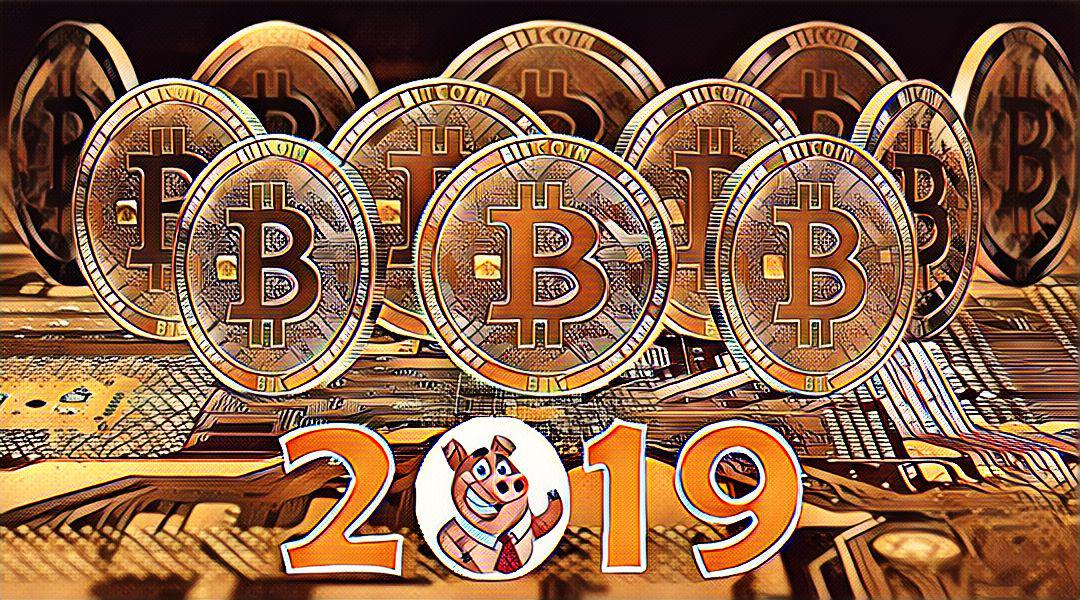
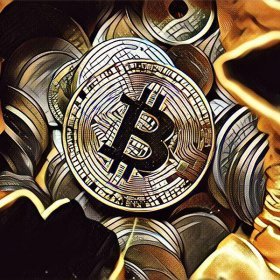
Investing in cryptocurrency is a modern way of earning that makes your money work for you. In 2017 Bitcoin brought investors 1350% profit and showed a record price of $20,000 in December. However, in 2018 the picture was quite different. Bitcoin lost 82% of its value, falling from $14,000 on January 1 to $4,000 at the end of the year. But despite the fact that 2018 became a very hard year for cryptocurrencies and investors, and even made many believe that the "crypto bubble" had burst, it seems there are still good reasons to buy Bitcoin in 2019. In any case, the current price level may provide an excellent opportunity to buy it.
Despite the fact that it is still unclear whether the main cryptocurrency has reached the "bottom," there are at least five reasons to invest in Bitcoin.
1. The adoption of Bitcoin around the world is growing. Despite Bitcoin's current reduced value, it is becoming increasingly popular. For example, during 2018 the number of users of the popular Blockchain wallet steadily grew – from 22 million to more than 32 million, and this indicates that people's interest in bitcoins has not declined. Moreover, trading volumes on the leading peer-to-peer bitcoin exchange LocalBitcoins suggest that the spread of bitcoin in emerging markets is also growing. In countries such as Argentina, Chile, Colombia, Peru and Venezuela, an increase in bitcoin trading volumes was observed during 2018. The emergence of the Lightning network also contributes to the popularity of this coin, since these new payment channels are able to provide faster payments with practically no fees.
2. Regulation is coming, and that is a "plus." Legislators and financial regulators are interested in having cryptocurrency trading comply with generally accepted rules, similar to how it happens when trading stocks and foreign currency. This position of governments and regulators was clearly presented during the G20 meetings in 2018. Early bitcoiners and cyberpunks probably do not agree with this state of affairs; however, it is now obvious that, on the whole, the introduction of rules will be beneficial for the crypto industry and investors. A regulated crypto market will attract more retail investors and provide the "regulatory stamp" of approval so necessary for institutional investors, such as mutual funds, insurance companies and pension funds, so that they can invest money in this asset class with greater confidence. Now KYC and AML procedures are being implemented on almost all exchanges in the world, and regulators are gradually beginning to form legal frameworks for the sale of tokens. In 2019 we can expect increased regulatory oversight and growth in enforcement practice, and this may turn out to be very beneficial for cryptocurrency trading as a whole, making this ecosystem safer.
3. Wall Street has gone into crypto. Last year the companies Fidelity, Nasdaq and the Intercontinental Exchange (ICE) announced that, starting in 2019, they would begin offering cryptocurrency trading for institutional investors. In particular, their new Bakkt platform is expected to push a significant number of Wall Street firms toward bitcoin trading, since it will be a regulated venue that will begin offering bitcoin derivatives and cryptocurrency custody services. Going forward, Bakkt also plans to roll out payment services based on digital currencies. According to reports, the number of cryptocurrency hedge funds also increased in 2018, and this also means that in the coming months more institutional money invested in bitcoins will appear.
4. Bitcoin's developers continue to improve it. Many altcoin supporters believe that in the future bitcoin will be replaced by another, more advanced decentralized digital currency. However, many of them forget that Bitcoin is not standing still. Bitcoin's developers are constantly working on improving its code in order to increase its scalability, improve privacy features, add smart contracts, and so on. The release of the Lightning Network and Liquid Network in 2018 is precisely evidence of the successes of Bitcoin's developers.
5. Bitcoin has always surpassed its historic highs after a price drop. Bitcoin has had many ups and downs, and the media has "buried" it hundreds of times. However, a true bitcoiner will never be ashamed to look at its chart, which shows that after drops bitcoin has always risen above its historic highs. There seems to be no reason to think that this will not happen again. In mid-2011 the price of bitcoin reached $30 on the Mt.Gox exchange. However, after this exchange was hacked, the price fell to $2 in November 2011, and then recovered again in 2012. In April 2013 bitcoin rose to $260, after which within a few hours it fell by more than 50%, as the Mt.Gox exchange could not cope with the increase in trading volumes and suffered a DDoS attack. Despite the fall in investor confidence, it took Bitcoin only seven months to once again surpass its last high. At the end of 2013 the main cryptocurrency reached $1,000 for the first time, but over the next two years the price gradually fell to a low of $175. Two years later, at the beginning of 2017, bitcoin again reached the $1,000 level, surpassing its previous record, and at the end of that same year reached its famous record high – $20,000 per coin. Thus, the historical data on Bitcoin's price indicate that it may once again exceed its previous record level, although it may take years.
Subscribe and read the latest posts about earning online
Your subscription request has been successfully submitted! A message confirming successful subscription to the news and registration on the site has been sent to your email. The email contains a link that you need to follow to activate your account and subscription.
Статьи о криптовалютах
Random quote about money
"Экономист – это человек, который говорит о непонятных ему вещах таким образом, что невеждой чувствуете себя вы."
Interesting posts in other sections of the blog



Information
Users of Guests are not allowed to comment this publication.







* to search the proxy database, just enter a country name, e.g. Russia, USA, Thailand